

I was born in the United Kingdom and, from early in my academic life, I found myself drawn not simply to economics in the abstract, but to the way markets behave under uncertainty. This curiosity gradually shaped my professional path and led me toward a focused interest in gambling markets, lotteries, and betting systems.
Early Academic Development (Late 1980s – Mid 1990s)
By the late 1980s, I had begun my academic career in economics, teaching and conducting research while refining my interests. It was during this period that I started to recognize the analytical potential of gambling as a field of economic study.
By the early 1990s (approximately 1992–1995), I began producing my first research specifically related to gambling markets. My focus was not on behavioral or psychological aspects, but rather on the structural and economic mechanics of these systems.
Key research directions during this period included:
- Market efficiency in betting systems
- Pricing strategies used by bookmakers
- Statistical properties of odds formation
- Early analysis of lotteries as economic instruments

Expansion into Gambling Economics (Late 1990s – Early 2000s)
As my work developed, I became more deeply involved in the study of gambling as an economic sector. During the late 1990s, I continued my academic work and became closely associated with Nottingham Business School at Nottingham Trent University.
Between 1998 and 2003, I concentrated on the economics of lotteries, particularly in relation to the UK National Lottery, which had been launched in 1994.
My research in this phase focused on:
- Economic impact of national lottery systems
- Revenue distribution models
- Effects of jackpot size and rollovers on participation
- Consumer demand dynamics in lottery markets
Research Contributions and Publications (2000 – 2005)
From around 2000 to 2005, my work expanded into more advanced empirical studies of betting markets. I began collaborating with other economists across Europe, allowing me to compare different regulatory environments and market structures.
During this time, I published research examining betting markets in sports such as football and horse racing.
Core areas of investigation included:
- Efficiency of betting markets
- Accuracy of odds versus actual outcomes
- Identification of systematic biases in bookmaker pricing
- Comparative analysis of European gambling systems
Policy Engagement and Industry Involvement
As my research gained recognition, I was increasingly invited to participate in policy discussions and industry forums. In the early 2000s, I contributed to debates surrounding gambling regulation in the United Kingdom.
One of the key moments during this period was my involvement in discussions leading up to the Gambling Act 2005.
My role in these discussions included:
- Providing economic analysis of regulatory changes
- Assessing potential impacts on competition and market structure
- Evaluating implications for industry growth
- Contributing to evidence-based policy development
At this stage of my career, my work had moved beyond purely academic publication and began to play a role in shaping broader understanding of the gambling industry from an economic perspective.
As I moved further into the mid-2000s, my work became increasingly aligned with the rapid transformation of the gambling industry, particularly with the rise of online betting and digital casino platforms. The expansion of iGaming fundamentally changed the structure of markets I had been studying for years, and I saw an opportunity to apply economic theory to this new, evolving environment.
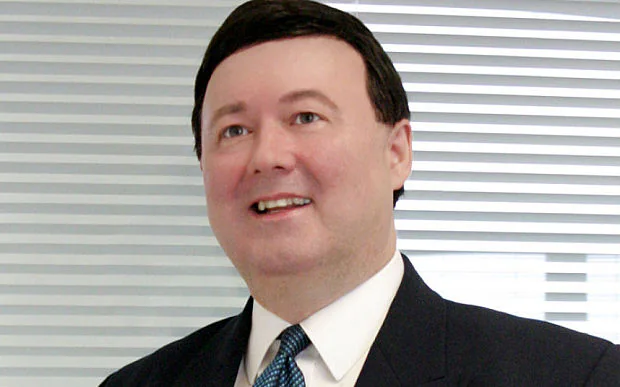
Leighton Vaughan Williams
Professor of Economics and Finance, Head of Economics Research, and Director of the Betting Research Unit at Nottingham Business School.
Academic Roles
- Professor of Economics and Finance
- Head of Economics Research
- Director of the Betting Research Unit
- Nottingham Business School
Research Themes
- Betting market efficiency
- Odds formation
- Pricing bias
- Lottery economics
- Regulatory frameworks
UK Context
- Licensed market data
- Regulated gambling system
- Great Britain participation trends
- Policy and market analysis
Transition to Digital Gambling Research (2005 – 2010)
Following the implementation of new regulatory frameworks in the UK, I began to focus more directly on how liberalization and technological innovation were reshaping gambling markets.
Between 2005 and 2010, I explored how online platforms influenced traditional betting models.
My key research themes during this period included:
- The shift from retail betting shops to online platforms
- Changes in pricing efficiency in digital environments
- Increased market competition due to lower entry barriers
- The globalization of gambling operators
I was particularly interested in how online betting markets compared to traditional ones in terms of efficiency and transparency. My findings suggested that digital platforms were often more competitive, with faster odds adjustments and reduced margins.
Development of Policy-Focused Research (2010 – 2015)
As the iGaming sector continued to grow, so too did the need for evidence-based regulation. During this period, I became more actively involved in advising policymakers and contributing to structured research programs focused on the gambling industry.
From around 2010 to 2015, I worked on projects that examined the broader economic implications of gambling expansion.
These projects focused on:
- Taxation models for online gambling operators
- Cross-border regulation and licensing systems
- The economic contribution of the gambling sector
- Market sustainability and long-term growth
I was also involved in consultations and expert panels, where my role was to interpret data and provide insight into how regulatory decisions could influence market outcomes.
Publications and Industry Contributions
Throughout this period, I continued to publish extensively, contributing to journals, industry reports, and collaborative research papers.
Notable areas covered in my publications included:
- Betting market anomalies and inefficiencies
- The impact of regulation on operator behavior
- Comparative analysis of European gambling markets
- The evolution of sportsbook and casino models in the online era
My work was increasingly referenced not only in academic circles but also within the gambling industry itself, particularly among operators and consultants seeking to better understand market dynamics.
Speaking Engagements and Conferences
As my research gained broader recognition, I was invited to speak at a range of conferences, industry events, and policy forums across the UK and Europe.
Typical topics of my presentations included:
- The economics of online gambling markets
- Regulatory challenges in a digital environment
- Market efficiency in betting and casino sectors
- The future of iGaming in Europe
These engagements allowed me to connect directly with industry professionals, regulators, and fellow researchers, creating a bridge between theoretical research and real-world application.
During this stage of my career, I found myself increasingly positioned at the intersection of academia, industry, and policy, contributing to a deeper understanding of how modern gambling markets operate in a rapidly changing digital landscape.
As I entered the later stages of my career, my work became increasingly focused on synthesizing decades of research into a broader understanding of how gambling markets evolve over time. The continued expansion of iGaming, combined with advances in data analytics and platform technology, provided new opportunities to revisit earlier theories and test them in a more complex, globalized environment.
Gambling Markets and iGaming Development
Key phases in research across betting markets, lottery economics, digital gambling structures and regulated market development.
Betting Market Efficiency
Research into bookmaker pricing, market margins and efficiency patterns in betting environments.
Lottery Economics
Work on participation levels, jackpot structures, rollover effects and demand behaviour in lottery systems.
Digital Gambling Transition
Analysis of online betting expansion, platform competition and the digital reshaping of gambling markets.
Regulated iGaming Markets
Research into licensing models, taxation structures, market maturity and long-term sustainability.
Advanced Research and Industry Analysis (2015 – Present)
From around 2015 onward, I concentrated on higher-level analysis of gambling markets, particularly in relation to their maturity, sustainability, and long-term economic impact.
My primary research directions during this period included:
- Structural evolution of global iGaming markets
- Competitive dynamics between operators
- The role of data and algorithms in odds-setting
- Market consolidation and mergers within the gambling industry
I paid particular attention to how large operators were scaling their digital platforms and how smaller entrants were positioning themselves within increasingly competitive environments.
Focus on Regulation and Market Balance
With the growth of online gambling, regulatory frameworks became more complex and internationally interconnected. I continued to contribute to discussions around how regulation could balance innovation with market stability.
Key areas of my work included:
- Evaluating the effectiveness of licensing regimes
- Analyzing the impact of taxation on operator strategy
- Studying cross-jurisdictional regulatory differences
- Assessing long-term sustainability of regulated markets
I was often involved in advisory roles where economic modelling and empirical data were used to inform decision-making processes.
Ongoing Publications and Research Output
Throughout this period, I maintained an active publication record, contributing to both academic and industry-focused outputs.
My later research covered topics such as:
- Efficiency trends in mature betting markets
- Digital transformation of casino and sportsbook models
- Revenue optimization strategies in iGaming
- The interaction between technology and market pricing
These works reflected a shift toward integrating traditional economic theory with modern data-driven approaches.
Gambling Market Analysis Model
Structured view of the main economic dimensions across betting, lotteries, regulation and digital gambling.
Betting Markets
- Odds formation
- Pricing gaps
- Bookmaker margins
- Market efficiency
Lottery Systems
- Jackpot effects
- Demand shifts
- Participation models
- Revenue structure
Regulation
- Licensing models
- Taxation frameworks
- Market controls
- Operator impact
iGaming
- Digital competition
- Platform scale
- Market maturity
- Operator expansion
Continued Speaking and Thought Leadership
I remained active in conferences and industry discussions, sharing insights based on long-term observation of the gambling sector.
My speaking engagements typically addressed:
- The future of iGaming in regulated markets
- Economic challenges facing online casino operators
- Market efficiency in the age of real-time data
- Strategic adaptation in a competitive digital landscape
These events allowed me to engage with a wide range of stakeholders, including operators, regulators, analysts, and investors.
Academic and Professional Legacy
Looking back, my career has been defined by a consistent effort to apply economic principles to a complex and evolving industry. From early studies of betting markets to modern analyses of global iGaming systems, my work has aimed to provide clarity on how these markets function and how they can be understood through rigorous analysis.
Key contributions across my career include:
- Establishing economic frameworks for analyzing gambling markets
- Advancing research on betting efficiency and pricing
- Contributing to policy and regulatory discussions
- Bridging the gap between academic research and industry practice
My work continues to evolve alongside the industry itself, reflecting the ongoing transformation of gambling in the digital age.